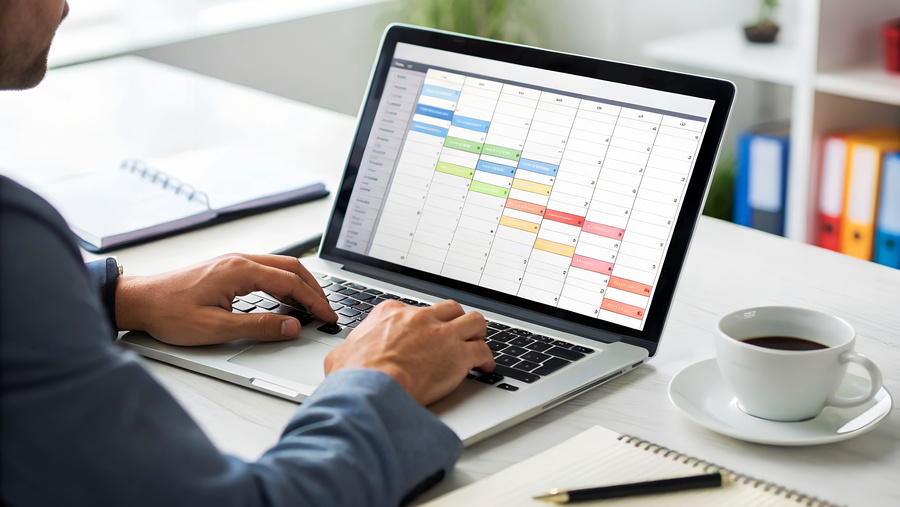
No-shows can quietly disrupt a healthcare practice’s day, leaving gaps in the schedule and making it harder to serve other patients. At Call 4 Health, helping providers reduce no-shows starts with practical, patient-friendly communication. When reminders are clear, timely, and easy to respond to, patients are far more likely to confirm and keep their appointments, protecting both the schedule and overall patient access.
Understanding the Impact of No-Shows
Before diving into solutions, it’s crucial to understand why no-shows occur and their impact on healthcare facilities. Missed appointments not only result in lost revenue but also throw off the daily schedule, leading to inefficiencies and increased wait times for other patients. This can negatively affect patient satisfaction and access to care.
Common Reasons for No-Shows
- Patients forget their appointments.
- Lack of transportation or unexpected personal issues.
- Poor communication regarding appointment details.
- Perceived low importance of the appointment.
Creating Effective Confirmation Workflows
To tackle the issue of no-shows, Call 4 Health set up reminder systems patients respond to. This involves utilizing a mix of communication channels and timing strategies to ensure that reminders are both received and acknowledged.
Utilizing Multiple Communication Channels
Different patients prefer different modes of communication. By using a combination of SMS, voice calls, and emails, we can increase the likelihood of reaching patients effectively.
- SMS Reminders: Quick and direct, SMS reminders are often read within minutes of receipt. They are perfect for reminding patients of upcoming appointments.
- Voice Calls: Automated or live calls can be more personal and are useful for confirming appointments verbally. This method can also accommodate patients who prefer auditory reminders.
- Email Notifications: Emails can provide detailed information about the appointment, including location, time, and any necessary preparations.
Timing Best Practices for Reminders
The timing of reminders makes a big difference in whether they work. Here are some best practices:
- Initial Confirmation: Send an immediate confirmation when the appointment is scheduled. This helps patients mark their calendars right away.
- Follow-Up Reminder: A week before the appointment, send a reminder to allow patients to adjust their schedules if necessary.
- Final Reminder: A day before the appointment, send a final reminder to ensure it is fresh in the patient’s mind.
Crafting Engaging Reminder Scripts
The language used in reminders can significantly impact their effectiveness. Scripts should be clear, concise, and engaging. Here are some tips:
Personalization and Clarity
Personalizing messages with the patient’s name and specific appointment details can make reminders more engaging. Clarity is also key; ensure that all essential information is included, such as the date, time, and location of the appointment.
Creating a Sense of Importance
Reminders should convey the importance of attending the appointment. Highlighting any preparations needed or potential consequences of missing the appointment can motivate patients to prioritize their visit.
Implementing Technology for Efficient Workflow
Utilizing technology can simplify the confirmation process and enhance patient access. An appointment scheduling service like Call4Health can automate reminders and confirmations, reducing the administrative burden on staff.
Benefits of Automated Systems
- Consistency: Automated systems ensure that reminders are sent out consistently and on time.
- Scalability: They can handle a large volume of appointments, making them ideal for busy practices.
- Integration: Many systems integrate with electronic health records, ensuring that patient data is up-to-date and accurate.
Monitoring and Adjusting Strategies
Continuous monitoring and adjustment of confirmation workflows are essential for ongoing improvement. By analyzing data on no-show rates and patient feedback, healthcare providers can refine their strategies to better meet patient needs.
Feedback and Adaptation
Encouraging patient feedback on the reminder process can provide valuable insights into what works and what doesn’t. This feedback can guide adjustments to the timing, method, and content of reminders.
Analyzing No-Show Data
Regularly reviewing no-show data can help identify patterns and areas for improvement. For instance, if a particular demographic consistently fails to respond to email reminders, it may be beneficial to increase the use of SMS or voice calls for that group.
Protecting Your Schedule Daily
Reducing no-shows is not just about sending reminders; it’s about creating a structured strategy that considers the varied needs and preferences of patients. By implementing effective confirmation workflows, utilizing technology, and continuously refining strategies based on data and feedback, healthcare providers can significantly reduce no-show rates, improving both operational efficiency and patient care.
At Call4Health, we are committed to helping healthcare manage appointments more effectively. By leveraging our services, providers can ensure their schedules are protected daily, allowing them to focus on delivering exceptional patient care.
Learn how Call 4 Health’s nurse triage and patient access call path solutions help direct patients efficiently and keep schedules on track. For more information on how our appointment scheduling service can help reduce no-shows, contact us today.