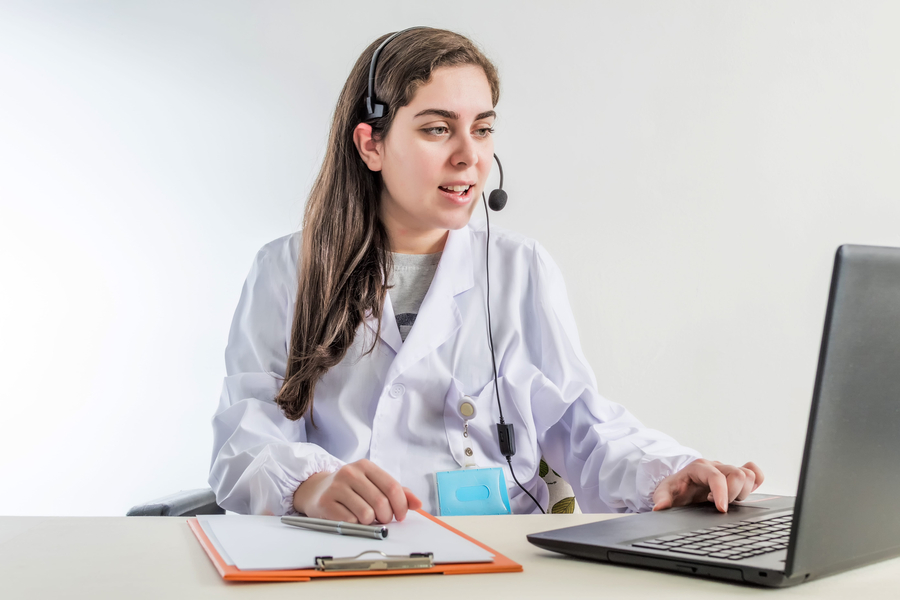
In today’s evolving healthcare environment, connecting meaningfully with patients is more important than ever. Effective, patient-centered communication in healthcare goes beyond sharing medical information—it builds trust, empathy, and collaboration between patients and providers. When patients feel heard, understood, and valued, their satisfaction and outcomes improve dramatically. At Call 4 Health, we believe that the foundation of excellent care lies in communication that prioritizes people first—addressing not just their symptoms but their emotions, concerns, and overall well-being.
Understanding Patient-Centered Communication in Healthcare
Patient-centered communication in healthcare focuses on each patient’s unique needs, values, and preferences. It’s about creating an environment where patients are active participants in their care rather than passive recipients. This approach fosters stronger relationships between providers and patients, empowering individuals to take ownership of their health journey.
The Core Components of Patient-Centered Communication
Several elements define truly effective communication in healthcare:
- Active Listening: Truly listening to patients involves more than just hearing their words. It requires understanding their concerns, emotions, and expectations.
- Empathy: Demonstrating empathy helps in building trust and rapport with patients, making them feel valued and respected.
- Clarity: Providing information in a clear and understandable manner is crucial. Avoiding medical jargon and checking for understanding ensures that patients are well-informed.
- Collaboration: Encouraging patients to ask questions and participate in decision-making leads to more personalized care.
- Feedback: Seeking feedback from patients about their experience can provide valuable insights for continuous improvement.
At Call 4 Health, we focus on integrating these principles into every patient interaction, ensuring that communication remains human, clear, and compassionate.
The Impact of Patient-Centered Communication on Healthcare Outcomes
Effective communication doesn’t just make patients feel better—it leads to measurable improvements in clinical and operational outcomes.
- Improved Patient Satisfaction: Patients who feel heard and understood are more likely to be satisfied with their care, leading to better adherence to treatment plans and follow-up appointments.
- Enhanced Patient Safety: Clear communication reduces the likelihood of misunderstandings and errors, contributing to safer healthcare environments.
- Better Health Outcomes: Engaged patients are more likely to follow through with prescribed treatments, resulting in improved health outcomes and reduced hospital readmissions.
- Increased Trust: Building trust through effective communication encourages patients to share important information, allowing for more accurate diagnoses and treatment plans.
Challenges in Implementing Patient-Centered Communication
While the benefits are clear, implementing patient-centered communication in healthcare isn’t always simple. Providers face common barriers such as limited time, high patient volumes, and diverse communication needs. Cultural and language differences can also make patient understanding more challenging.
Overcoming these challenges requires both structural support and training. At Call 4 Health, we help bridge these gaps by providing customized communication services, empathy-based training, and support systems that allow healthcare professionals to focus more on care and less on logistics.
Strategies to Enhance Patient-Centered Communication
Enhancing patient-centered communication requires a multifaceted approach. Here are some strategies that can be implemented to improve communication in healthcare settings:
1. Training and Education
Providing ongoing training and education for healthcare providers is crucial. This includes workshops on active listening, empathy, cultural competence, and communication techniques tailored to different patient populations. Incorporating role-playing and simulation exercises can also help providers practice and refine their skills in a safe and supportive environment.
2. Leveraging Technology
Technology can play a pivotal role in facilitating patient-centered communication. Electronic health records (EHRs) and patient portals enable seamless information sharing and allow patients to access their medical information. Telehealth platforms also offer opportunities for virtual consultations, making healthcare more accessible and convenient for patients.
3. Creating a Supportive Environment
A supportive healthcare environment encourages open communication. This involves designing spaces that are comfortable and private, allowing patients to feel at ease during consultations. Additionally, fostering a culture of respect and inclusivity within healthcare teams promotes collaboration and enhances communication with patients.
4. Personalized Communication
Recognizing that each patient is unique, personalized communication is essential. This means tailoring interactions to meet the specific needs and preferences of each patient. Understanding cultural nuances, language preferences, and individual health literacy levels ensures that communication is effective and meaningful.
5. Involving Family and Caregivers
Involving family members and caregivers in the communication process can provide additional support for patients. They can offer valuable insights into the patient’s needs and preferences, helping to ensure that care is aligned with the patient’s goals.
The Role of Call4Health in Elevating Communication
We at Call 4 Health are deeply committed to helping healthcare organizations enhance patient-centered communication. Our innovative communication systems and patient engagement solutions are designed to improve every interaction—whether it’s an appointment reminder, a telehealth consultation, or a post-care follow-up.
By partnering with us, healthcare providers can access comprehensive communication tools, empathetic call handling, and staff training programs that align with patient-centered care goals. We help bridge the gap between medical expertise and human connection, ensuring that every conversation contributes to better care and better outcomes.
Patient-centered communication in healthcare is more than a professional skill—it’s a philosophy that transforms how care is delivered. By prioritizing empathy, understanding, and collaboration, healthcare providers can create a system where patients feel empowered and truly cared for.
At Call 4 Health, we’re proud to support healthcare teams in strengthening these connections through thoughtful communication strategies and technology-driven solutions. To learn how we can help your organization deliver compassionate, patient-focused care, get in touch with us today. Together, we can make healthcare communication more human—and more effective—one patient at a time.