

Managing a medical call center in-house may seem like a logical choice for maintaining control over patient communication—but it often comes with more complexity and expense than many realize. From labor to technology to overhead, the real call center cost can quickly escalate if not properly calculated and managed. As a team that lives and breathes healthcare communications, we at Call 4 Health understand how important it is to balance high-quality service with cost-efficiency. This guide is designed to help healthcare providers like us evaluate every layer of expense and choose the most suitable call center rates for their unique operations.
Understanding the Components of Call Center Costs
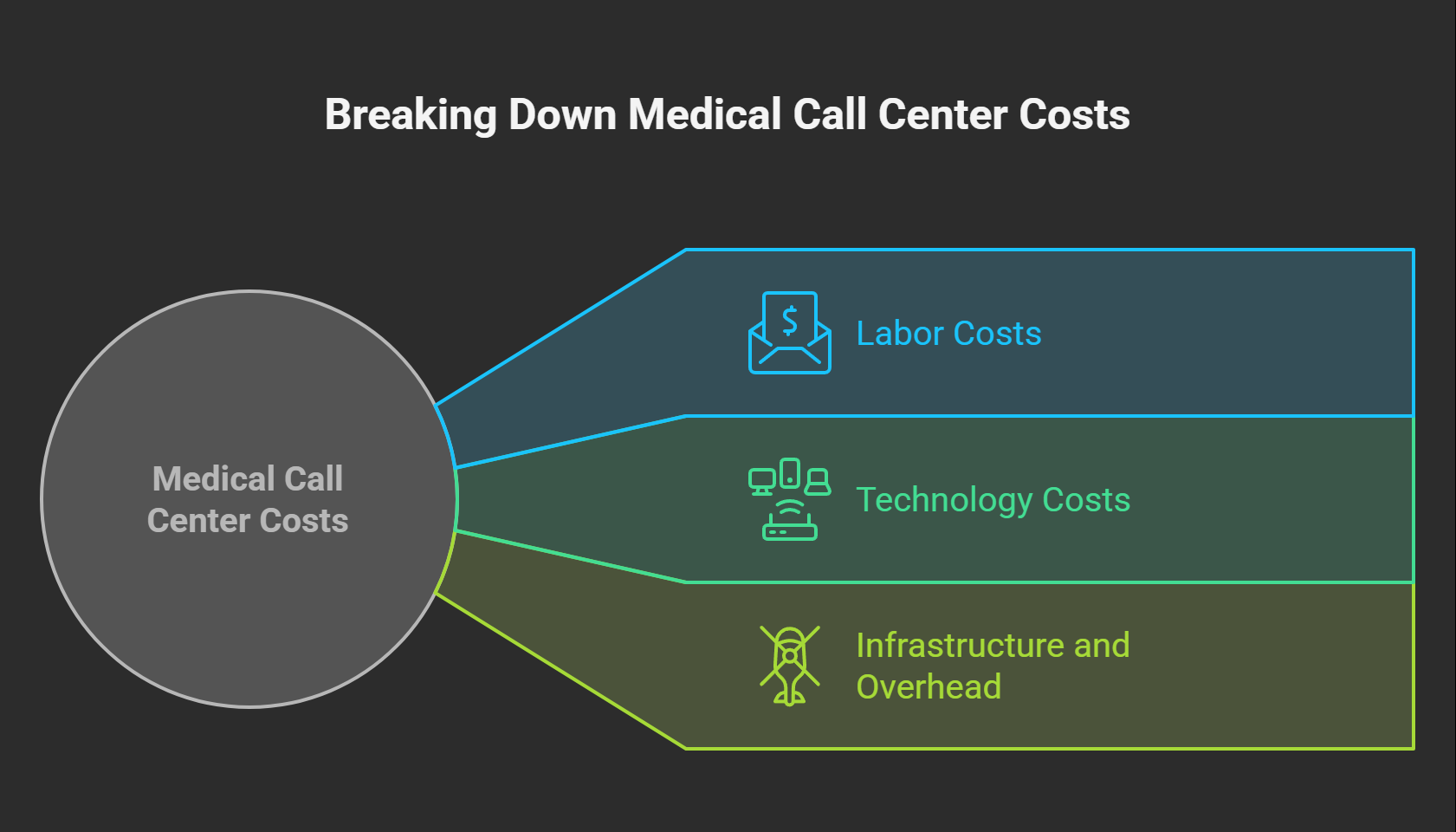
To get a clear view of what it really costs to run an in-house call center, we need to break it down into the major categories where budget is allocated. This helps us identify what’s essential, what’s optional, and what may be optimized or outsourced.
1. Labor Costs
Labor costs constitute a significant portion of call center expenses. This includes salaries, benefits, training, and ongoing staff development. In a medical call center, the need for skilled personnel is paramount, which can elevate these costs further.
- Salaries and Wages: Competitive salaries are necessary to attract and retain qualified staff. The healthcare industry demands a high level of expertise, often requiring specialized training and certifications.
- Benefits: Comprehensive benefits packages, including health insurance, retirement plans, and other incentives, are standard in the industry.
- Training Costs: Continuous training is essential to keep staff updated on the latest healthcare regulations, technology, and customer service techniques.
2. Technology Expenses
Technology is the backbone of any successful call center. Investing in the right tools and systems is crucial for efficiency and effectiveness.
- Call Center Software: Advanced software solutions are required to manage call queues, record interactions, and provide analytics for performance improvement.
- Hardware: Computers, headsets, and telecommunication equipment are necessary for day-to-day operations.
- Maintenance and Upgrades: Regular maintenance and timely upgrades ensure that the technology remains functional and secure.
3. Infrastructure and Overhead
Operating a physical call center entails various infrastructure-related expenses.
- Office Space: Renting or owning office space is a significant expense. The location and size of the facility can affect costs substantially.
- Utilities: Electricity, water, and internet services are essential for maintaining operations.
- Office Supplies: Everyday supplies like stationery, printing materials, and other consumables add to the overhead.
Evaluating Call Center Rates
Once we understand our internal costs, it’s time to evaluate the different call center rates offered by outsourcing providers. Comparing pricing models helps us find the most efficient fit for our service needs.
1. Per-Minute Rates
Some call centers charge based on the time spent on each call. This model can be beneficial if call volumes are consistent and predictable.
- Advantages: Provides a clear correlation between usage and cost, allowing for straightforward budgeting.
- Disadvantages: Can become expensive if call volumes fluctuate unexpectedly, leading to higher-than-expected bills.
2. Per-Call Rates
In this model, charges are incurred per call, regardless of the duration. This can be advantageous for centers with shorter call durations.
- Advantages: Encourages efficiency, as costs remain consistent regardless of call length.
- Disadvantages: May not be cost-effective for complex calls that require more time.
3. Monthly Subscription
Some providers offer a flat monthly fee for a predetermined set of services, which can include unlimited calls or other bundled features.
- Advantages: Predictable costs that simplify budgeting and financial planning.
- Disadvantages: May lead to overpayment if the included services are not fully utilized.
Calculating the Total Cost: A Comprehensive Approach
To determine the true cost of an in-house call center, we must consider all these factors collectively. Here’s a comprehensive approach:
1. Conduct a Cost-Benefit Analysis
Compare the potential benefits of maintaining an in-house call center against the costs. Consider factors such as service quality, control over operations, and long-term financial implications.
2. Utilize Cost-Tracking Tools
Implement software solutions that track and analyze expenses in real-time. This allows for informed decision-making and timely adjustments to reduce costs.
3. Explore Outsourcing Options
For many providers, outsourcing to a company like Call 4 Health delivers the best of both worlds—high-quality service and significantly lower operational overhead. With options for per-call, per-minute, or flat-rate pricing, outsourcing gives us flexibility without compromising care.
Calculating the real call center cost involves more than tallying up wages or buying a few headsets. It’s a layered equation that includes labor, technology, physical infrastructure, and ongoing support. By comparing internal costs to available call center rates, we can make smarter, more sustainable decisions for our healthcare organizations.
At Call 4 Health, we’ve supported hundreds of medical facilities through this transition—offering cost-effective, scalable call center solutions without sacrificing quality. Whether we’re looking to optimize our current operations or explore outsourcing, the key is having a clear understanding of where every dollar goes.
Want to simplify your call center strategy and reduce overhead? Get in touch with us to explore our pricing models and see how we can help.